Is God Getting Your Leftovers?
In Genesis, we read about the first sacrifice offered by man to God. It may seem strange to us. What’s the big deal between sheep and vegetables? Lets read in Genesis 4:
Genesis 4:2-5 NIV
2 Later she gave birth to his brother Abel. Now Abel kept flocks, and Cain worked the soil. 3 In the course of time Cain brought some of the fruits of the soil as an offering to the Lord. 4 And Abel also brought an offering—fat portions from some of the firstborn of his flock. The Lord looked with favor on Abel and his offering, 5 but on Cain and his offering he did not look with favor. So Cain was very angry, and his face was downcast.

The difference is that Abel sacrificed the best part of his flocks, from the very beginning. His heart was to give God the best of his increase, because he knew that without God, he would have nothing in the first place.
Cain, on the other hand, gave out of his excess. He gave God his leftovers. And not only that, he did not even give God what he asked for as an appropriate sacrifice.
I know I’ve often wondered what the big deal was. Cain grew crops, Abel tended sheep. Why wouldn’t God accept Cain’s offering? After all, he was giving out of what he tended. Sometimes I wonder if Cain had given the first of the produce, if he would have been accepted. It wasn’t just about what the sacrifice was, it was about the motivation behind it. Cain gave out of his extra. It didn’t really cost him anything.
He gave God his leftovers.
You may be thinking, “Cain didn’t know he was supposed to give a lamb. Give the guys a break!”
However, God had set a precedence back in the Garden of Eden after Adam and Eve fell. He was actually the one to make the first sacrifice to cover man’s sins. After Adam and Eve fell, they tried to sew fig leaves together to cover their nakedness. But their fig leaves were not enough to be an appropriate covering for sin. God sacrificed a lamb and made coverings for Adam and Eve out of the skins. There had to be blood that was shed to cover sin.
I am sure Cain would have known this. Abel certainly knew that an appropriate sacrifice had to cost something. It had to cost a life. Blood. Cain could have gone to his brother and asked to buy or trade for a perfect lamb, so he could also give an appropriate sacrifice. But he didn’t. It seems to me that he didn’t want to go through the trouble of doing things the way they should have been done.
He wanted to serve God his way, instead of God’s way.
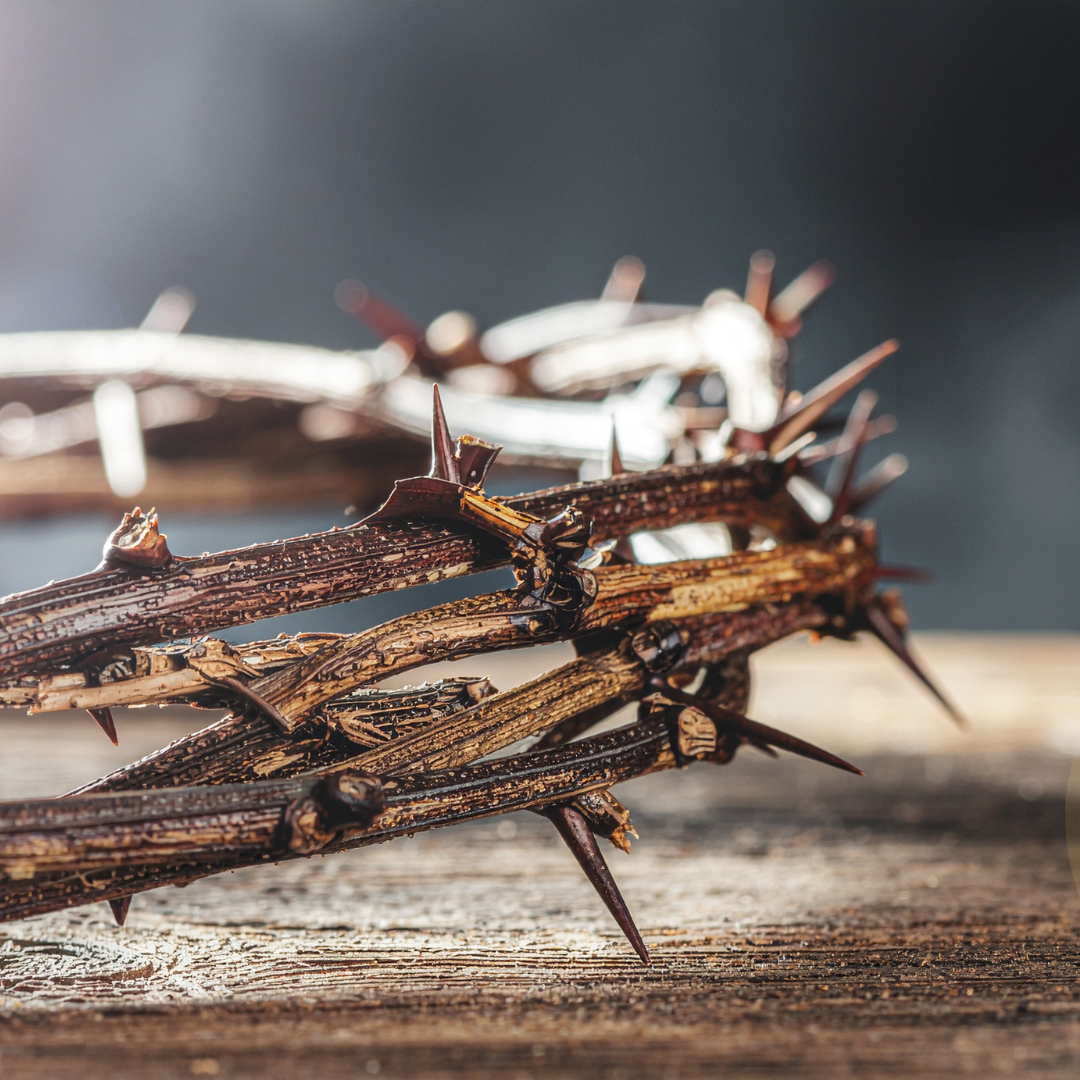
Living Sacrifice or Leftovers?
We often do the same, if we’re being honest with ourselves. We want to serve God in our own power, in our own strength. We want to come to Him on our own terms. Let’s be real: sacrifice is messy. It will always cost us something.
Romans 12:1 NIV
1 Therefore, I urge you, brothers and sisters, in view of God’s mercy, to offer your bodies as a living sacrifice, holy and pleasing to God—this is your true and proper worship.
When we come to Jesus, it will cost us everything. It costs us our old ways, our old mindsets. It often costs us our dreams and our own way of doing things. When we come to Him, we must be willing to give up everything, our own desires, so He can mold and shape us into who He wants us to be—into the person He created us to be from the beginning.
That reality might seem pretty harsh. But just as Abraham was willing to sacrifice his only son, Jesus gave everything up for us to bring us back into right relationship with the Father. When we give our lives to God, we lay our lives down as that living sacrifice. But Galatians 2:20 says something amazing!
Galatians 2:20 NIV
20 I have been crucified with Christ and I no longer live, but Christ lives in me. The life I now live in the body, I live by faith in the Son of God, who loved me and gave himself for me.
Are you giving God you first and best or just your leftovers?
“Godly sacrifice will cost you what you want more than anything.” - Pastor David DeFillipo

Religion creates rules for minimal personal sacrifice. “I had to.”
Mercy requires complete submission in relationship. “I get to.”
The goal of the Gospel is to get your eyes off yourself and onto others. Do you care about others coming to know Christ as you do?